HyperSecurity Offensive Labs
Research.
Offensive Security · Tools · Intelligence
Research · Tools · Operations
HyperSecurity Offensive Labs
This is not a blog. It is a record — of tools built, techniques researched, and operations conducted under authorized conditions. Everything published here comes from real work: real code, real networks, real results. We do not write about theory. We write about what we have actually done.
HyperSecurity Offensive Labs was built on a single principle — that the best defense comes from understanding offense completely. Every tool we build, every technique we document, every vulnerability we research exists to push that understanding further. We operate at the network layer, the application layer, and everywhere in between.
Our toolkit spans raw packet crafting at L2/L3, HTTP/2 flood frameworks, multi-protocol credential testing, pipeline exhaustion, auto-dissolving attack suites, and tools that have not been released yet. All of it written in Rust. All of it built from scratch. None of it borrowed from existing frameworks.
Scroll down. Read the work. This is what we do.
⚠ Public Record · Evidence
Scammers & Impersonators
Individuals are actively impersonating HyperSecurity Offensive Labs — using others name, copying our tools logic, and our reputation to deceive and defraud people. This is not a warning. This is a record. Every scammer operating under our identity will be look out, documented, and exposed publicly on this page. As far as possible We Have Much More enemies Those which Are "jeaulous".
We have the evidence. We have the tools. And unlike the people we are exposing — we leave no room for deniability. The screenshot below is the first in a series. If you have been targeted by someone claiming affiliation with HyperSecurity Offensive Labs, contact us immediately to identify "after" We commit and Observed Each activity Of users those which have Behavioural Issues. Doesnt Follows Any rules, we done And Act like this Ways!. This is the announcement of each users and peoples, Not only this proves we have lots of evidences Among serveral Users. Contract if You have like this situations And unsure About That.
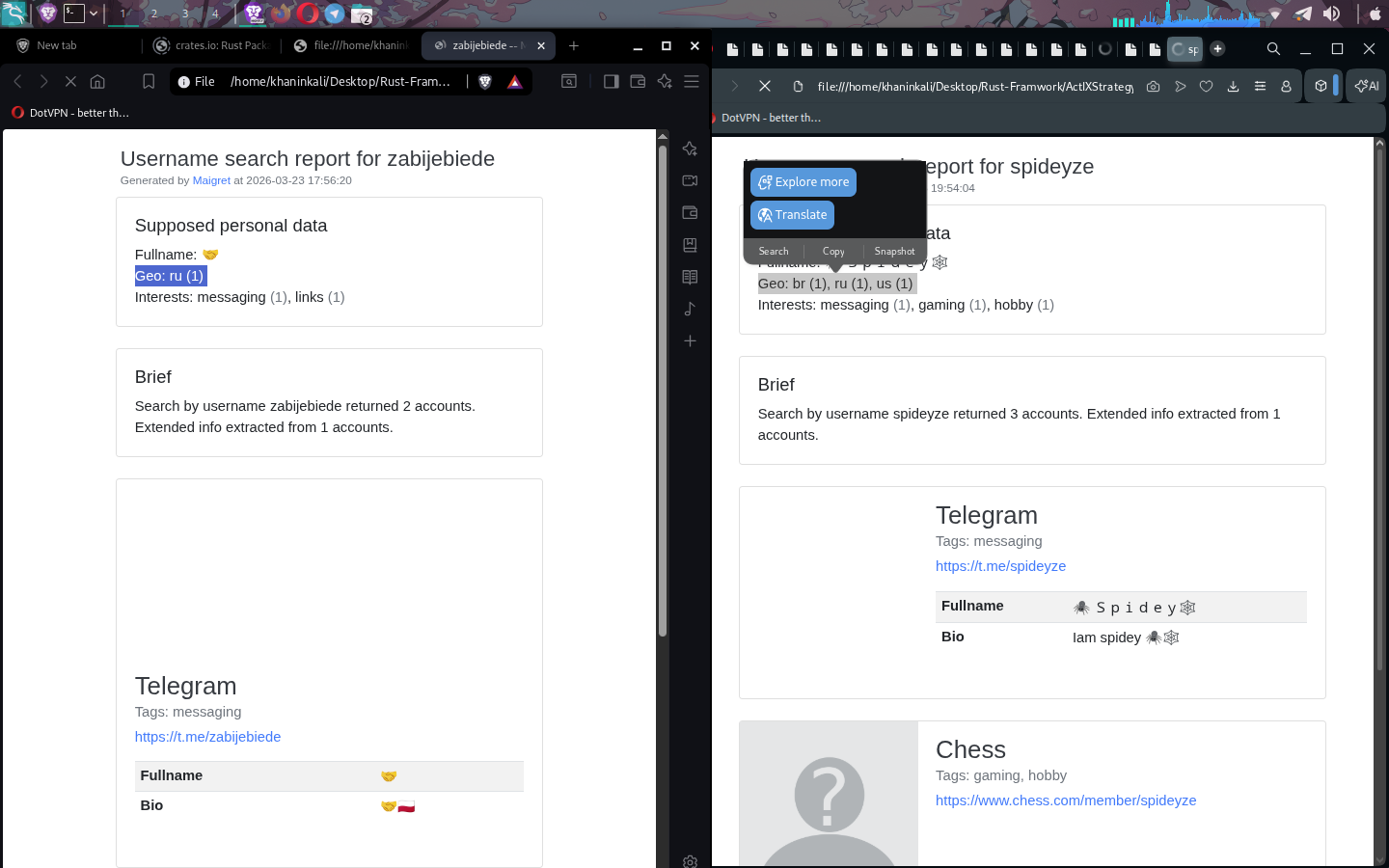
Exhibit 01 — screenshot evidence · HyperSecurity Offensive Labs
Upcoming · ~2030 Release
HyperBreach — Advanced Offensive Tool
Something has been quietly in development for a while now. We call it HyperBreach — and it is unlike anything currently available in the offensive security space. This is not another wrapper around existing tools. It is a ground-up rewrite in Rust, built to be fast, silent, and relentless.
HyperBreach is a next-generation offensive security platform with simultaneous multi-protocol attack capability across SSH, RDP, MySQL, PostgreSQL, MongoDB, FTP, SMTP, LDAP, HTTP forms, and more — all running in parallel, all async, all at over 1000 credential attempts per second with a fixed 50MB or much memory footprint. For comparison, tools like Hydra crash at 15% of the load HyperBreach handles without breaking a sweat.
What makes it different is the stealth layer. Timing randomization, user-agent rotation, behavioral mimicry, proxy chain support — it moves through a network the way a human would, not the way a scanner does. The anti-forensics module keeps the footprint minimal. It is designed to be invisible while it works, and gone when it is done.
This is not ready for release. Honestly, it may not be for a long time — we are thinking somewhere around 2030, maybe later. There is still a lot of work to do, and we would rather take the time to do it right than rush something this powerful out the door. But we wanted to show you where we are headed.
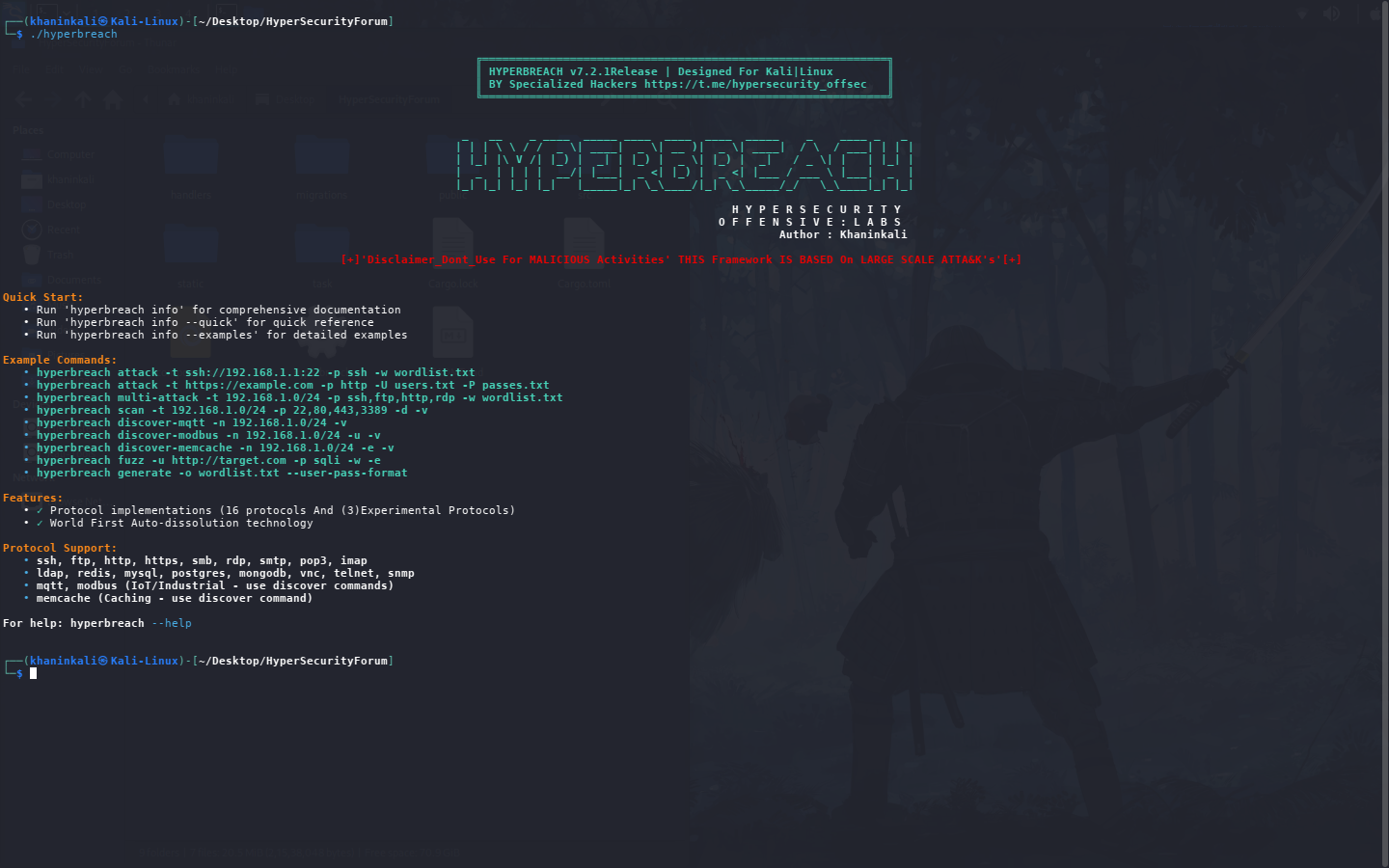
HyperBreach v9 — early development build · not yet released
Systems Programming · Offensive Engineering
Why We Build Everything in Rust
Rust is a modern systems programming language that combines powerful low-level control with strong safety guarantees. It was created by Mozilla and first released in 2015. Using Rust for building malwares red teaming tools and exploits frameworks offers a strategic mix of high performance then C++ The capabilities Arises along with evasion techniques This Labs appears to to be more boutique, Research heavy and hardcore Ever. But highly technical, research labs often struggle to translate deep-dive exploitation data into actionable form.
Rust is excellent for building CLI tools due to its performance, safety, and rich ecosystem. Popular CLI libraries include:
- Clap: Powerful argument parsing
- StructOpt: Declarative argument parsing (now integrated with Clap)
- Tokio: Async runtime for async CLI tools
- Crossterm: Terminal manipulation
- Indicatif: Progress bars and spinners
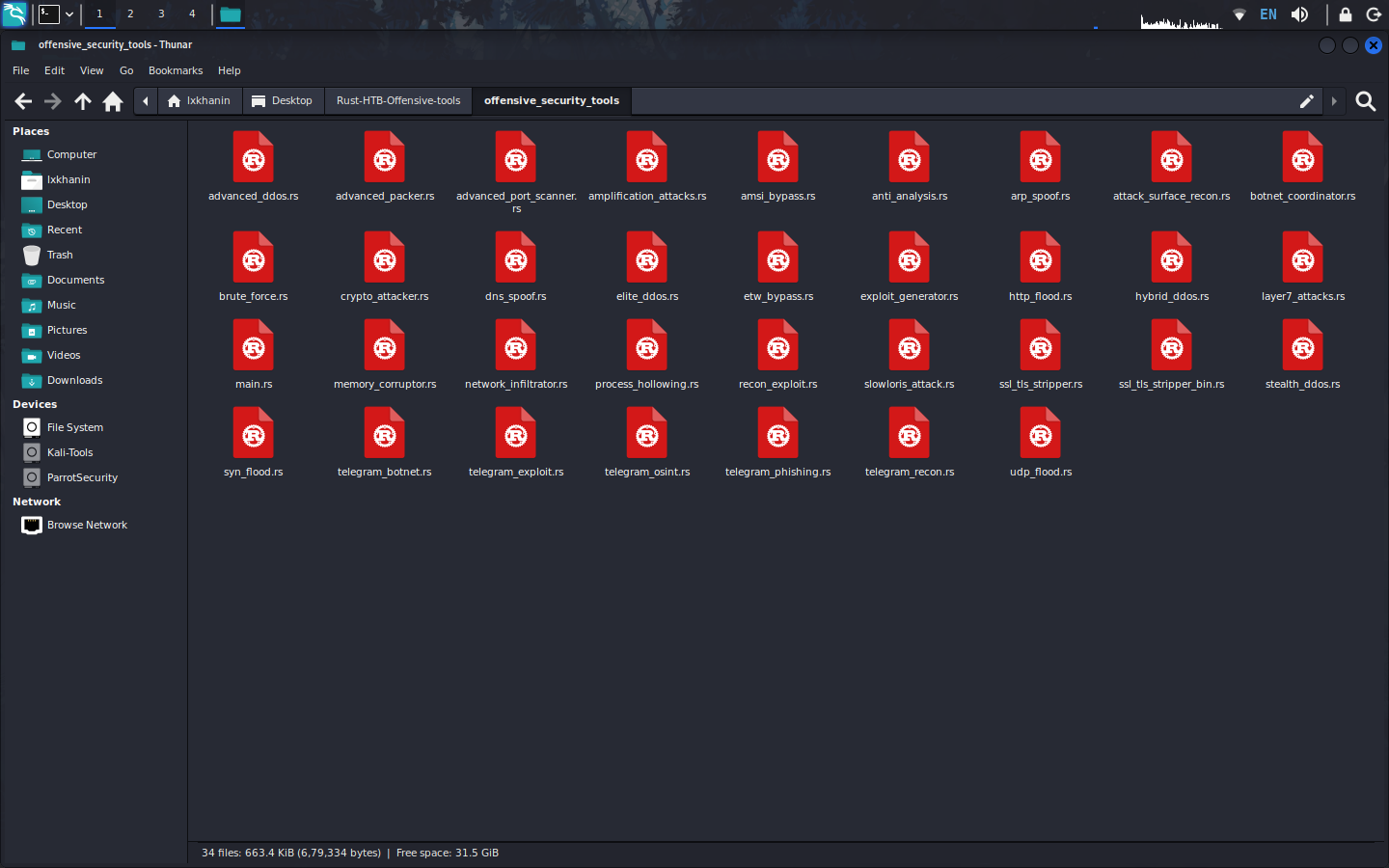
This are all our Codings We do.
Founder · Lead Researcher
Khaninkali
Founder and lead security researcher of HyperSecurity Offensive Labs. Specializing in advanced OSINT operations, network security, and offensive tool development. Every tool, every technique, every piece of research published on this platform originates from one place.
Core Competencies
Operational Philosophy
Information is power. Patience is strategy. Results are proof. Silent competence over loud claims — let the work speak. Every operation has a calculated purpose, every tool is built with intent, and every piece of research advances the field. That is the standard HyperSecurity Offensive Labs holds itself to.
Networking · Fundamentals · Offensive Security
OSI Model — Offensive Perspective
Most people learn the OSI model as a memorization exercise — seven layers, a mnemonic, done. That is not how we approach it here. Understanding the OSI model from an offensive security perspective means understanding exactly where attacks live, where defenses fail, and why certain techniques work at all. Every tool in our arsenal — from EchoHammer operating at L3 to WebTraffix flooding at L7 — exists because of the structure this model defines.
LAYER 1 — PHYSICAL
The foundation. Raw bits encoded as voltage, light, or radio waves. No addressing, no packets — just signal. Ethernet cables, fiber optics, Wi-Fi radio frequencies, NICs, repeaters. Physical layer attacks are the most overlooked and the most devastating — cable tapping, fiber bending to leak light, RF jamming, hardware implants inserted inline. No firewall protects against a tap on the wire. Physical access is game over.
LAYER 2 — DATA LINK
Frames, MAC addresses, switches. ARP has no authentication — any device can claim any IP maps to its MAC. ARP poisoning puts you in the middle of every conversation on the segment. MAC flooding overflows the CAM table, turning a switch into a hub. VLAN hopping crosses network boundaries that should be isolated. 802.11 deauthentication frames are unauthenticated — you can disconnect any Wi-Fi client with a spoofed packet. EchoHammer implements ARP cache poisoning at this layer.
LAYER 3 — NETWORK
IP addresses, routing, ICMP. The source IP field in an IPv4 header can be set to anything — IP spoofing is possible because the protocol has no source authentication. ICMP floods, Smurf attacks, fragmentation attacks, TTL manipulation. BGP hijacking at the routing level can redirect entire blocks of internet traffic. EchoHammer operates here — raw ICMP packets, subnet-based IP spoofing, ARP resolution, 10,000+ packets per second per thread.
LAYER 4 — TRANSPORT
TCP, UDP, ports. The three-way handshake creates state before authentication — SYN floods exploit this by filling the server's backlog with half-open connections that never complete. UDP has no handshake at all, making it ideal for amplification attacks where small requests generate massive responses. PipeXV2 implements raw socket SYN flooding at 100,000+ packets per second. FluxV5 and FluxV6 both include UDP flood modes. Port scanning lives here — SYN scan, half-open, stealthy.
LAYER 5 — SESSION
Session establishment, maintenance, termination. Session hijacking — stealing a valid session token to impersonate an authenticated user without credentials. Session fixation — forcing a victim to use a known session ID before they authenticate. Session replay — retransmitting captured session data to repeat authenticated actions. RPC vulnerabilities have historically been catastrophic — MS03-026 was an RPC buffer overflow that powered the Blaster worm. VoIP SIP attacks — registration hijacking, call interception, toll fraud.
LAYER 6 — PRESENTATION
Encryption, encoding, compression. TLS lives here. BEAST, POODLE, HEARTBLEED, DROWN, CRIME — every major TLS attack targets this layer. Heartbleed leaked server memory by exploiting the heartbeat extension in OpenSSL. CRIME exploited TLS compression to recover session tokens. Insecure deserialization of JSON, XML, or binary formats can lead to remote code execution — Java deserialization, PHP object injection, Python pickle exploits. Unicode normalization attacks bypass filters by using different representations of the same character.
LAYER 7 — APPLICATION
HTTP, DNS, SMTP, SSH, RDP, databases. The most complex layer and the most exposed. HTTP floods send complete valid requests the server must process — database queries, template rendering, API calls. Each request costs far more than a SYN packet. WebTraffix v9 sends HTTP/2 multiplexed streams — thousands of requests over a single connection. DNS amplification uses open resolvers to reflect traffic with 50x amplification. SQL injection, XSS, credential brute force, API abuse — HyperBreach attacks 20+ protocols at this layer simultaneously at 1000+ attempts per second.
The model is not abstract — it is the map. Know which layer you are operating on. Know which layer the defense is watching. The gap between those two is where the work happens.
Research & Utilities
DoS & DDoS Utilities
Tools, research, and write-ups on denial-of-service techniques — for authorized stress testing, network resilience assessment, and understanding attack vectors. Content will be added here as research progresses.
OSINT · Passive Reconnaissance
Recon Tool
Passive OSINT tool using public APIs — IP geolocation, DNS records, SSL certificates, subdomain enumeration, Wayback Machine, and GitHub search. Enter any domain or IP and all modules run in parallel. No active scanning, no installation required, works directly in your browser.
Loading posts...